Villages near Dorking
Heritage windows in Newdigate: Weald cottages, farmhouses and The Mulberries
Newdigate lies in a flat part of the Weald, a mile and a half east of the A24 between Dorking and Horsham. Thick clay beds once fed several brick and tile works, and much of the parish is still wooded and farmed.
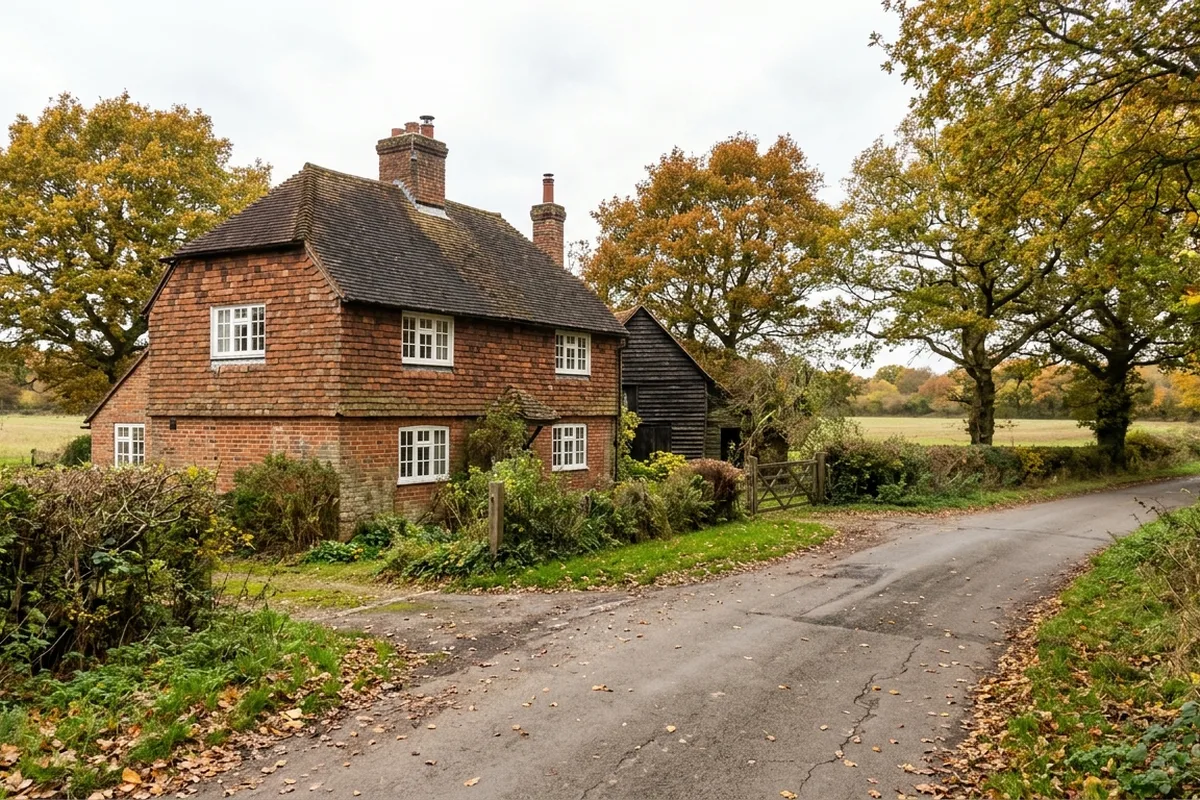
The village
St Peter's church is medieval and listed Grade II*. Cudworth Manor, a moated manor house, is also Grade II* and a scheduled monument. Ewood Pond is what remains of a lake made for the ironworks that stood at Ewood in Tudor times. The former brickworks is now the Mulberry Place housing estate, usually called The Mulberries, and the hamlets of Parkgate, Ewood and Cudworth lie around the village.
Conservation area and listed buildings
The Newdigate conservation area is small, about six and a half hectares, and contains seven listed buildings: the church, Dean House Farm House and its barns fronting the road, the barn south of the Six Bells, Hasted Cottage, Yew Tree Cottage and the village stores at Wirmwood Cottage. Owners of any of these need listed building consent for window work. There is no Article 4 direction in Newdigate, so an unlisted house in the conservation area can usually replace windows with ones of similar appearance. Check your address with Mole Valley's property lookup.
What usually fits
Weald cottages and farmhouses suit flush casements with small panes, in cream, white or a soft green; on a listed building, timber. The houses at The Mulberries and the other later roads suit uPVC flush casements, and steel-look aluminium works well on garden rooms and barn-style extensions. The surveyor measures each opening separately, because older openings are rarely square.
See flush casement windows or the cost guide. Background: Newdigate on Wikipedia.
Ask for a survey
Tell us the street and roughly how many windows. A surveyor from the installer will look at the house, check whether anything on it needs planning permission, and quote in writing.